

- Duration: 3 Hours (approx.)
- Location: Okazaki
- Product code: PJEUPY
Step Inside a 400-Year-Old Miso Warehouse — The Hatcho Miso Experience in Okazaki, Aichi
There are foods that feed you. Then there are foods that define a culture. Hatcho Miso is firmly in the second category.
This dark, dense, intensely flavored miso has been made in the same small area of Okazaki City for over 400 years. It was born in a village called Hatcho — just 870 meters from Okazaki Castle, the birthplace of Ieyasu Tokugawa, the shogun who unified feudal Japan. It fed samurai. It supplied imperial kitchens. And today, it graces the menus of two-star Michelin restaurants in Paris.
That last part still surprises people. It shouldn't.
This tour takes you to the source. You'll walk through a working miso warehouse that has stood for centuries, taste the difference between miso varieties most travelers never encounter, and leave with a genuine understanding of why this particular paste matters — in Okazaki, in Japan, and apparently in Paris too.
A Little History First
Let's set the scene, because context makes everything richer.
During the Edo period (1603–1868), two miso warehouses were established in Hatcho village, just outside Okazaki Castle. The castle was the birthplace of Tokugawa Ieyasu himself — the most powerful shogun in Japanese history. The proximity wasn't accidental. The miso made here was considered exceptional, and it found its way into the hands of powerful people.
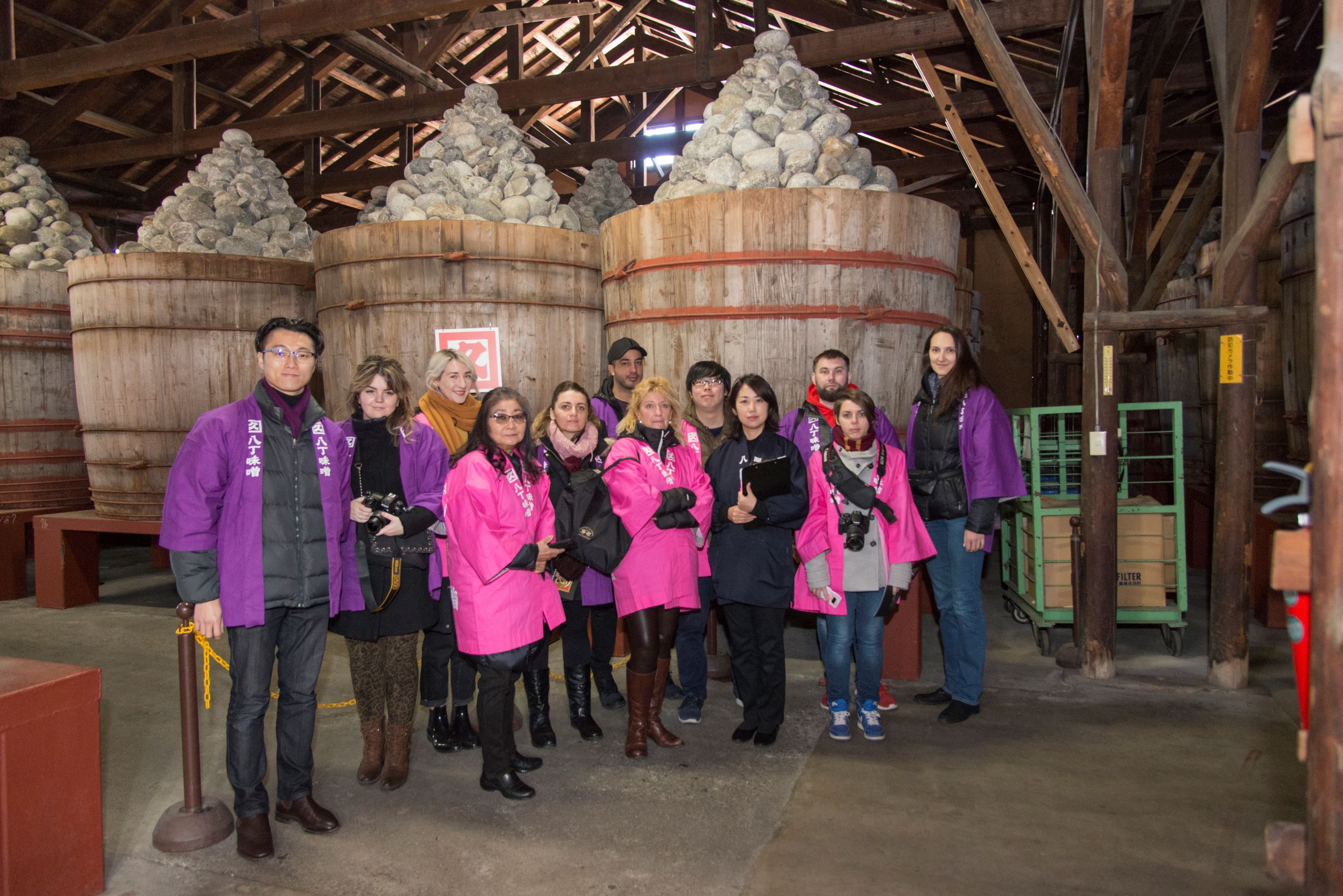
Over time, the miso produced in this specific location became known simply as Hatcho Miso — named after the village. The method of making it, the specific use of soybeans and salt, the long fermentation in tall cedar barrels weighted down with stacked river stones — all of it stayed consistent for generations.
That consistency is exactly what you're visiting today.
Tour Highlights
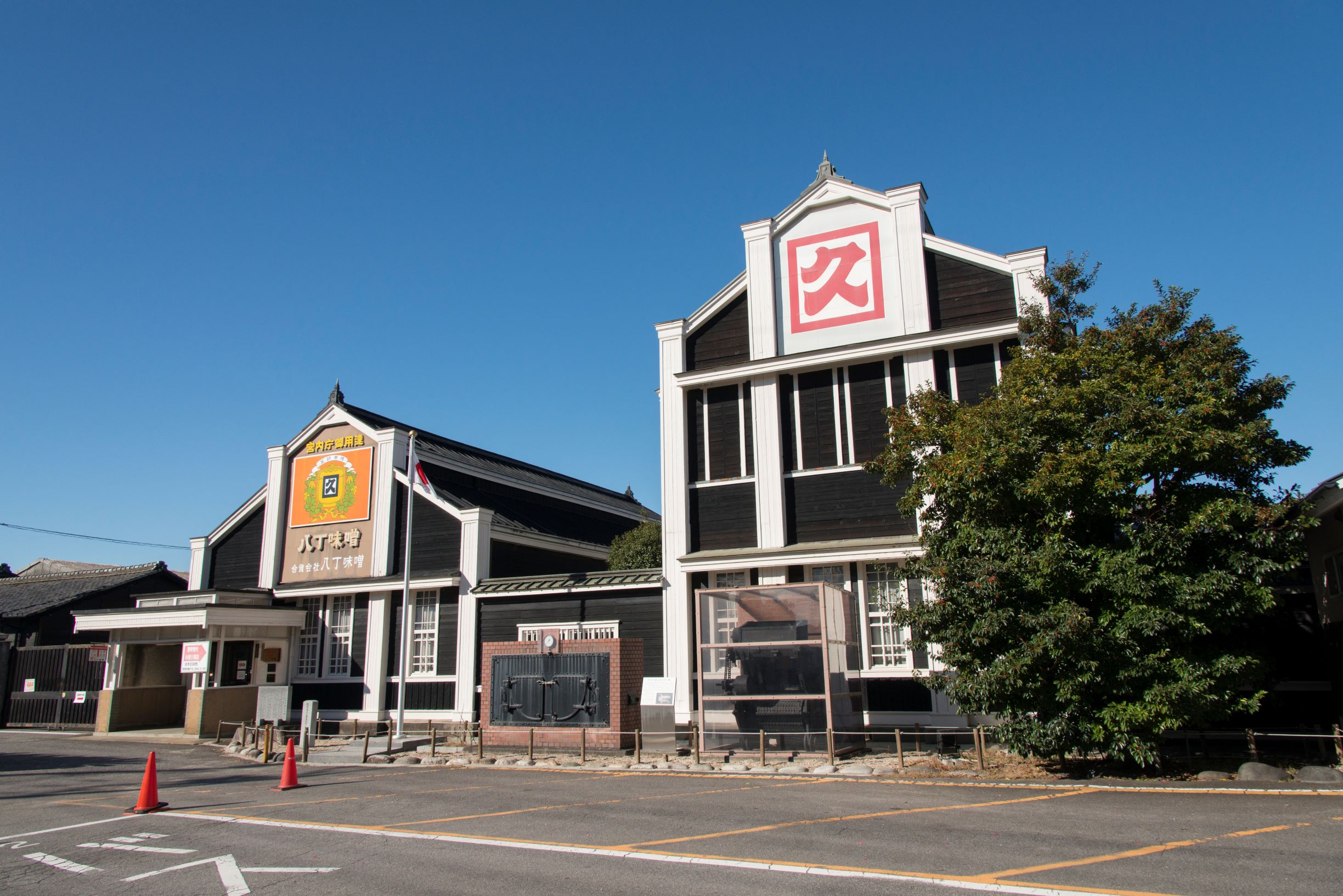
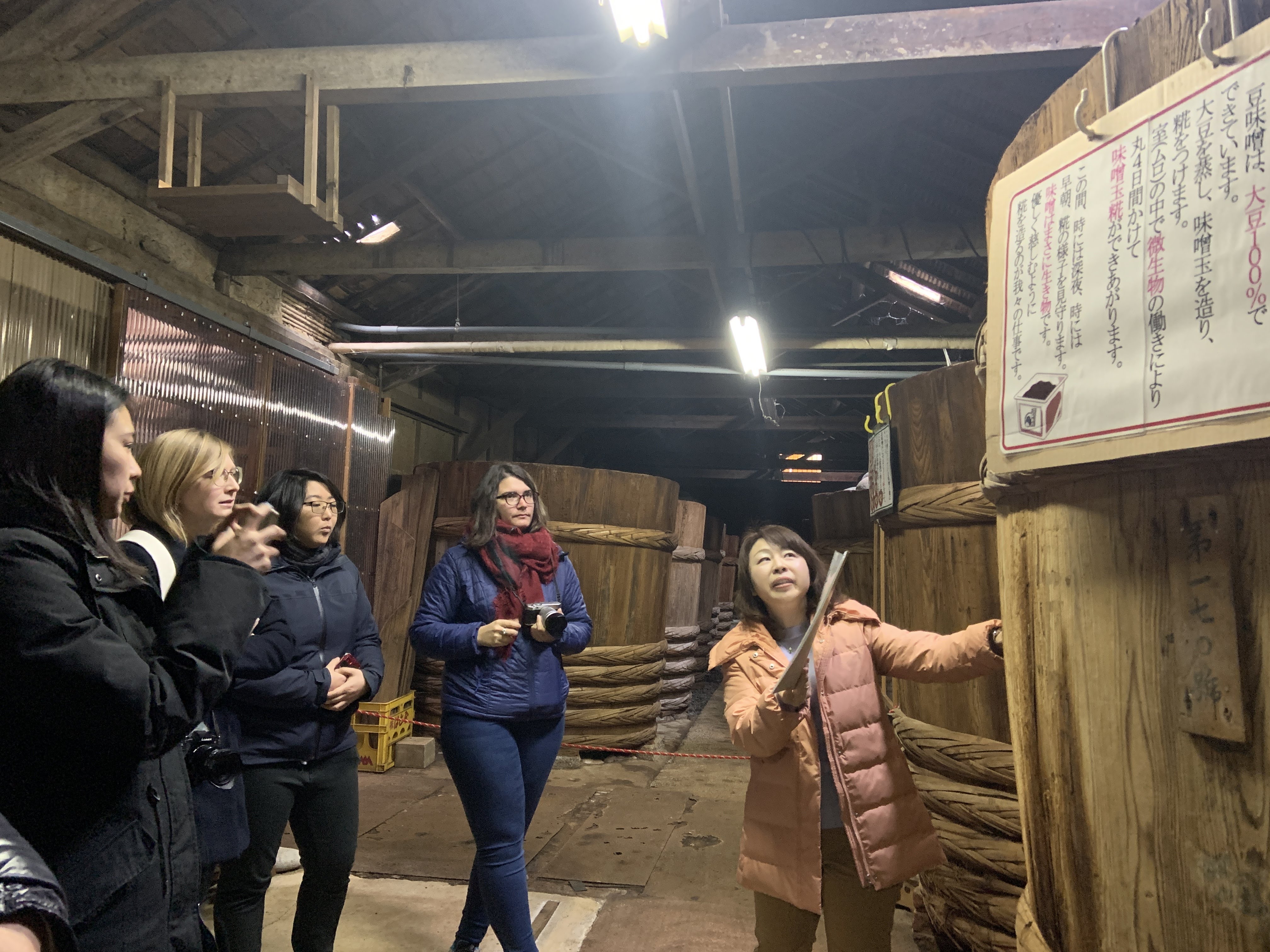
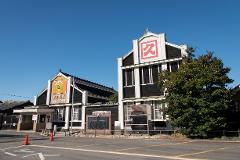
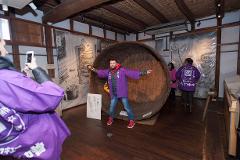
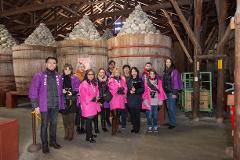
Walk through a warehouse that has outlasted empires. The miso storehouse at Kakukyu is a living monument. The wooden barrels inside are enormous, stacked high, and many have been in continuous use for a very long time. Seeing them lined up in rows is genuinely striking.
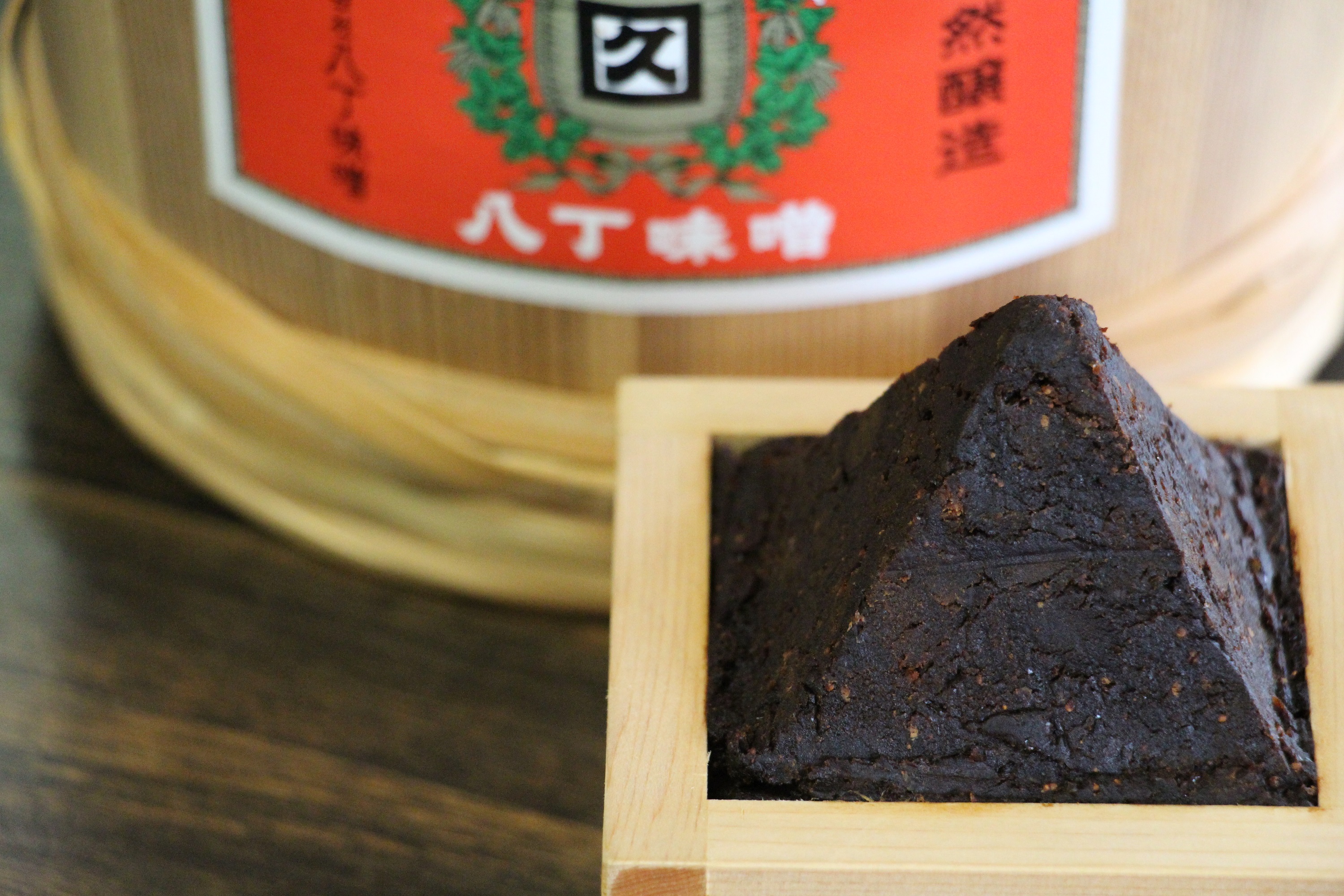
Understand what makes Hatcho Miso different. It's not just darker than other miso. It's fermented longer, pressed harder, and made with a recipe that hasn't changed in centuries. Your guide explains the nuances clearly, without jargon.
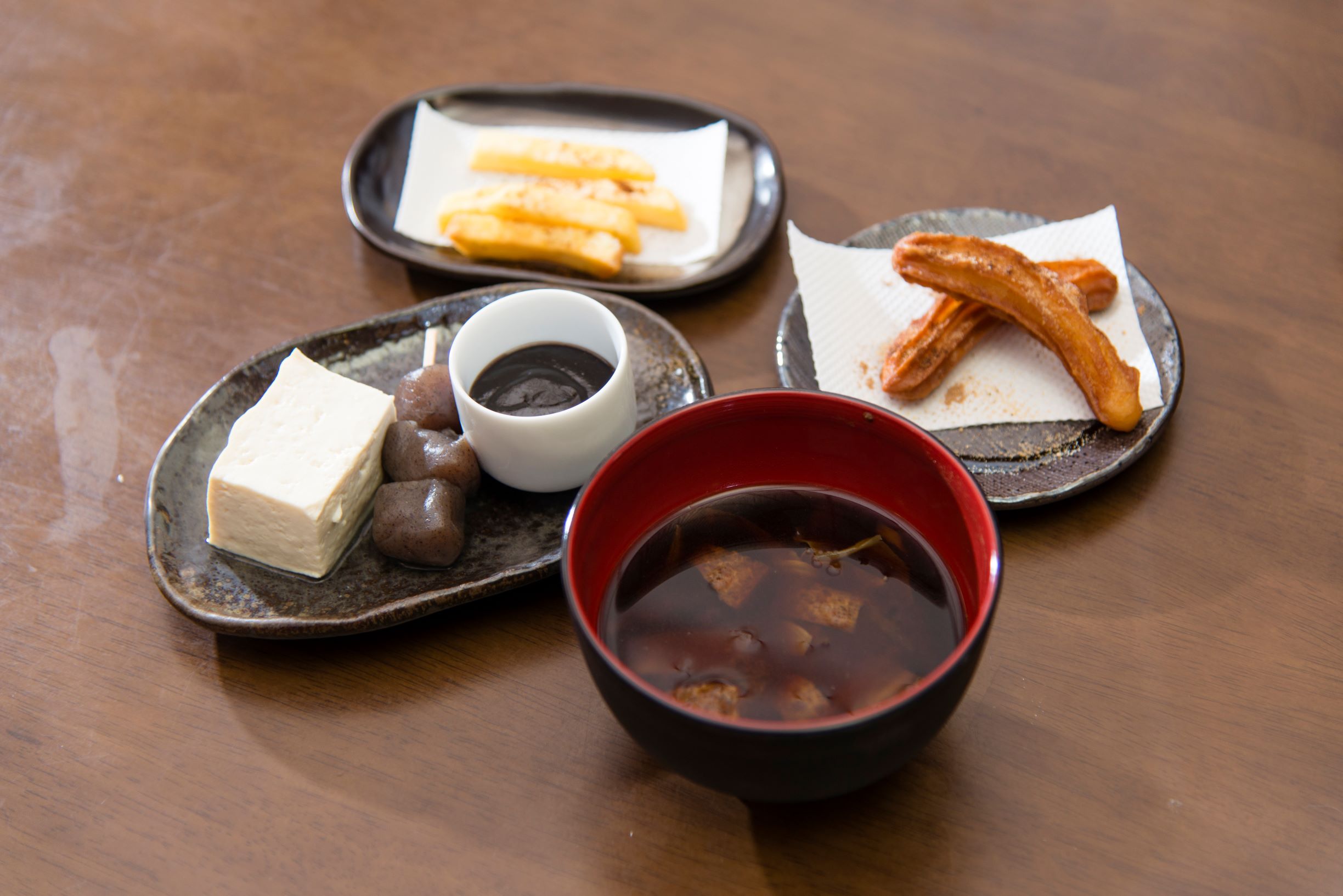
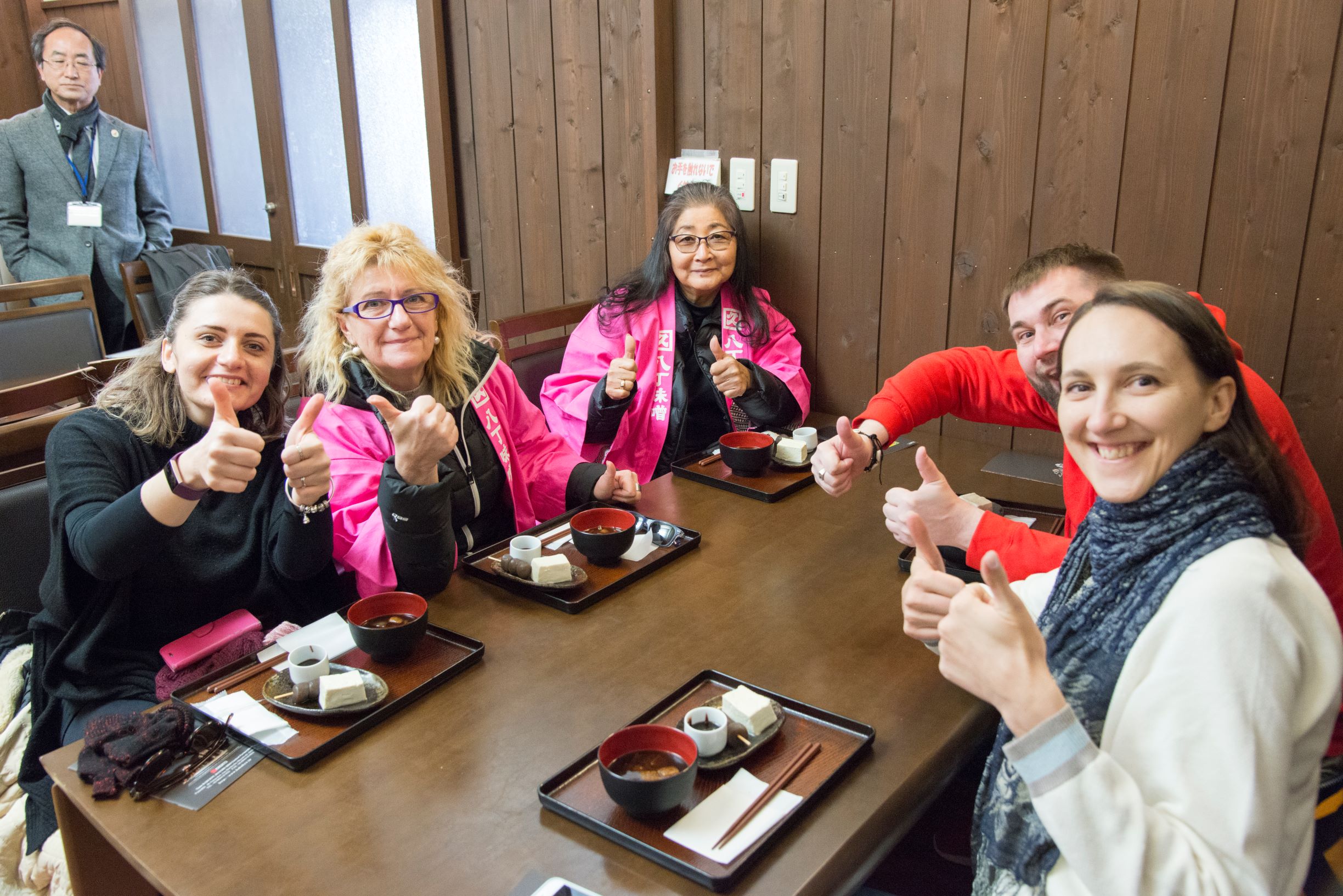
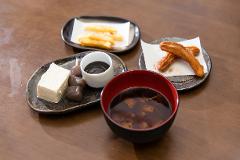
Taste Hatcho Miso alongside Akadashi Miso. Side-by-side tasting is one of the most efficient ways to learn flavor. You'll try miso soup made from both varieties and understand — through your own palate — what sets them apart.
Learn what a Michelin-starred chef knows. Hatcho Miso has made it onto the menu of a two-star Michelin restaurant in Paris. By the end of this tour, you'll understand exactly why.
Shop for something worth bringing home. The souvenir corner carries miso and miso-based products you won't find at a standard airport shop. Unique, local, and genuinely useful in a kitchen.
Optional lunch to finish the morning right. If you're visiting in the morning, stay for udon noodles stewed in Hatcho Miso. It's a regional classic, and this is the right place to try it.
Tour Schedule — Step by Step
① History Museum Explanation (approx. 30 minutes)
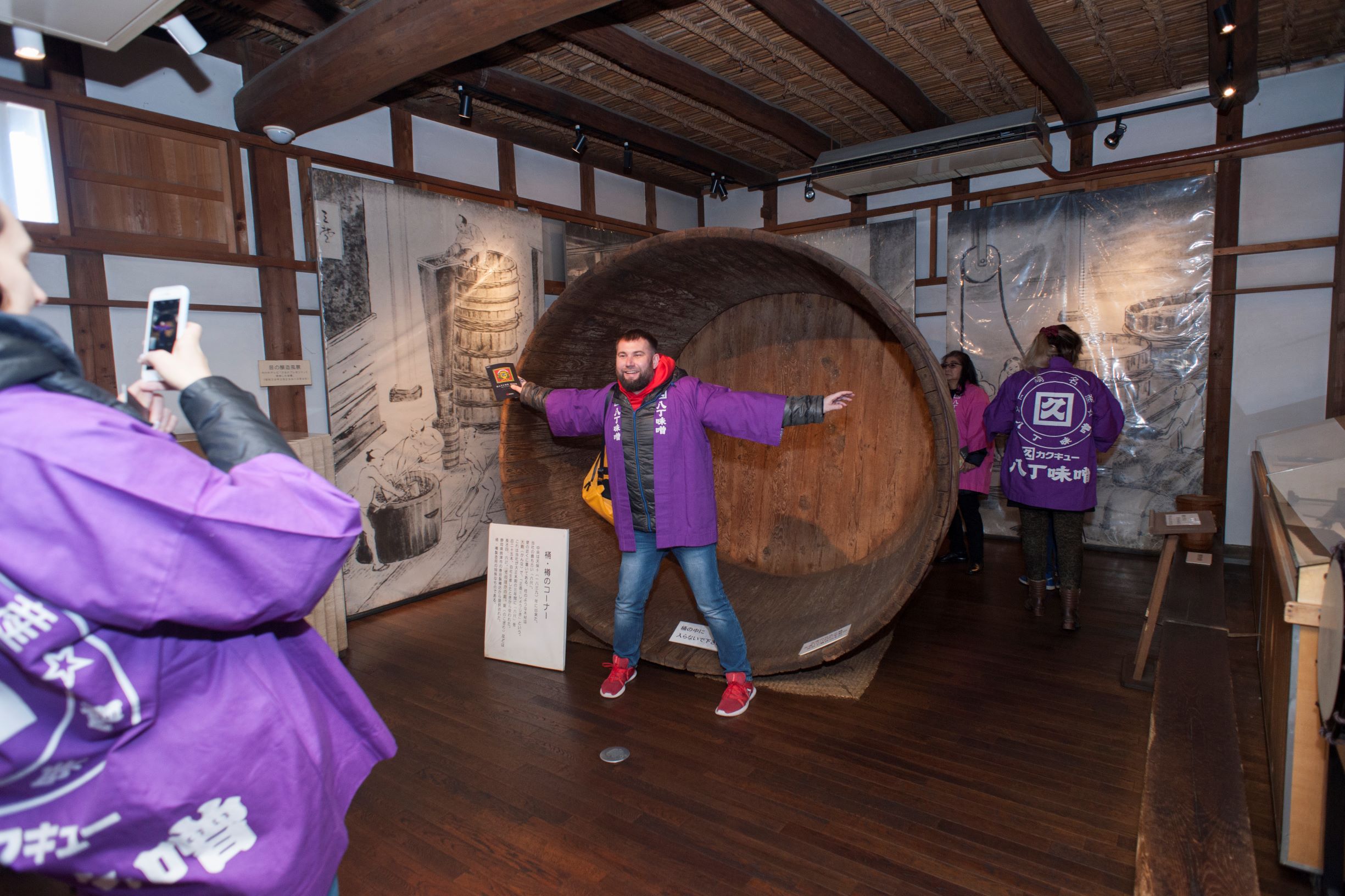
Your tour begins at the Kakukyu Museum. This is where the story of Hatcho Miso gets properly told — the founding of the warehouses, the connection to Tokugawa Ieyasu, the evolution of production methods across four centuries. It's not a dry lecture. The exhibits are engaging, and your English-speaking guide brings the history to life. By the time you leave this room, you'll understand why this miso is considered special — before you've even tasted it.
② Visit to the Miso Storehouse (approx. 15 minutes)
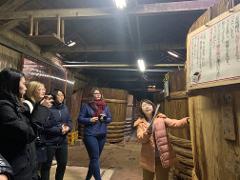
Now you step inside. The storehouse is full of cedar barrels, each one massive, each one packed with fermenting soybean miso. What strikes most visitors first is the scale. These barrels are taller than a person. They're weighted down with carefully stacked stones — a technique unique to Hatcho Miso production that applies even pressure during fermentation. Some of the wooden barrels here have been in use for generations. You can feel the age of the place. The smell is deep and unmistakable.
③ Miso Tasting + Q&A (approx. 15 minutes)
Back in the tasting area, you try two styles of miso soup: one made with Hatcho Miso, one with Akadashi Miso (a blended red miso). Your guide walks you through each one — the color, the aroma, the texture, the finish. This is the moment most people find genuinely revelatory. The difference between these two misos is obvious once you taste them together. One is bold and earthy. The other is smoother and slightly more approachable. Both are delicious. Questions are welcome here. This is a good time to ask anything you were curious about during the warehouse walk.
④ Souvenir Shopping (approx. 15 minutes)
The tour ends at the souvenir corner. You'll find miso in various forms, miso-based condiments, and other Hatcho-related products. If you've ever wanted to recreate a proper miso soup at home — with the real thing — this is where you stock up.
⑤ Optional Lunch (approx. 45 minutes)
Available for morning visitors. Udon noodles slow-cooked in Hatcho Miso broth. Rich, warming, and deeply satisfying. It's a regional dish done at the place where the main ingredient comes from. That combination is hard to beat.
What's Included / What's Not
Included:
- Miso storehouse visit
- English-speaking guide fee
- Meal fee (if optional lunch is selected)
Excluded:
- Travel expenses to and from the venue
How to Get There
From Nagoya Station:
Take the Meitetsu Line and change at Shin-Anjo Station. Board the Meitetsu Line heading toward Higashi-Okazaki. Get off at Okazakikoen-mae Station. The factory is a 5-minute walk from there.
The route is straightforward. Allow yourself a comfortable buffer — the tour starts on time.
Good to Know Before You Go
Plan for about an hour of walking. The tour moves through the museum, the warehouse, and back to the tasting area. It's not strenuous, but if you have concerns about walking for extended periods, contact the organizer before your visit.
Please stay in designated areas. Certain sections of the production floor are restricted for safety and hygiene reasons. Your guide will make this clear on-site.
Don't participate if you're feeling unwell. The organizer asks that guests in poor health skip their visit and reschedule. It's a small, close-contact group experience — that consideration matters.
Lunch is morning-only. The optional udon lunch is available for morning tour participants. If this is something you want, make sure you're booking a morning slot.
Frequently Asked Questions
What exactly is Hatcho Miso, and how is it different from regular miso?
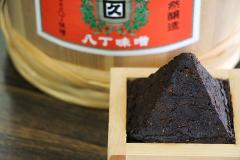
Hatcho Miso is a type of soybean miso (mamemiso) made exclusively from soybeans and salt — no rice or barley, unlike many other varieties. It ferments for a longer period, sometimes two to three years, under the weight of stacked river stones. The result is a very dark, dense paste with a powerful, complex flavor. It's far bolder than the mild white miso most people know from restaurant soups.
What is Akadashi Miso, and how does it compare?
Akadashi is a blended red miso — typically a mix of Hatcho Miso and a lighter variety. It's still robust, but slightly smoother and less intense than pure Hatcho. Tasting them side by side during the tour makes the distinction very clear, very quickly.
Why is Hatcho Miso used at a Michelin-starred restaurant in Paris?
Umami. Depth. Complexity. Hatcho Miso has all three in abundance. High-end chefs — not just in Japan but internationally — prize it as a flavor-building ingredient that can elevate broths, sauces, and marinades. The two-star Michelin restaurant connection speaks to how far this regional Japanese ingredient has traveled on the strength of its quality alone.
Is the tour suitable for children?
The tour involves museum exhibits, a warehouse walk, and a seated tasting. It's generally suitable for older children and families. There's no specific age minimum listed — if you're bringing young children, contact the organizer to confirm suitability.
Can I buy Hatcho Miso at the end?
Yes. The souvenir corner stocks miso and related products directly from Kakukyu. It's one of the better opportunities to purchase the authentic product rather than a mass-produced version.
Is the optional lunch really worth it?
If you're a fan of Japanese noodle dishes, yes. Miso udon — particularly when made with Hatcho Miso — is a hearty, distinctive regional specialty. Eating it at the place where the miso is made gives it a context that improves the experience considerably.
Do I need to speak Japanese?
No. The tour is fully supported in English. Your guide is English-speaking throughout.
What should I wear?
Comfortable walking shoes are important — you'll be on your feet for roughly an hour. Casual clothing is perfectly appropriate. The warehouse can be cool and carries a strong fermentation smell, so bear that in mind.
What Makes Hatcho Miso Genuinely Special
Most food tourism talks about tradition. This tour actually shows it.
The Kakukyu warehouse has been operating in Hatcho-cho for centuries. The production method hasn't fundamentally changed. The barrels used today are the descendants — sometimes the literal same vessels — of barrels that were making miso when Tokugawa Ieyasu was still a historical figure rather than a historical memory.
There are very few food experiences where you can stand in a working facility and genuinely say: this is how it was done 400 years ago, and this is how it's still done today.
This is one of them.
The Paris connection is a useful modern data point. When a two-star Michelin chef chooses an ingredient, they choose it because it works — because it does something other ingredients can't. Hatcho Miso earned that placement on merit. This tour helps you understand exactly what that merit is, through your own senses.
Okazaki doesn't always make the top of Japan travel lists. It probably should.
It's the birthplace of one of history's most consequential shoguns. It sits in a prefecture — Aichi — that produced more of Japan's foundational history than almost anywhere else. And in a small town just minutes from a major castle, there's a miso warehouse that has been quietly doing extraordinary work for four centuries.
Two hours here teaches you something. About fermentation. About patience. About what happens when a community decides that the way they make something matters, and they refuse to cut corners across generations.
You taste the result. It's unmistakable.
Come for the history. Stay for the udon. Leave with a jar of something that a Parisian chef would happily put on their menu.