

- Duration: 3 Hours (approx.)
- Location: Nishio
- Product code: PK5PTW
Samurai Miso Soup Making Experience in Nishio Aichi
Imagine standing inside a 100-year-old miso warehouse, surrounded by giant wooden barrels that have quietly been doing their job for generations. The air is thick. The smell is bold. And somewhere in those barrels is the same ingredient that Japanese samurais carried into battle centuries ago.
That's not a scene from a history book. That's this tour.
In Nishio City — a quiet town in Aichi Prefecture known for its green tea and deep culinary roots — you get to slow down and connect with one of Japan's most important food traditions. Miso. The fermented soybean paste that has fed a nation for over a thousand years.
This two-hour experience takes you inside the story. Not just to watch it. To taste it, make it, and take it home with you.
Why Miso? Why Nishio?Before we talk about the tour, let's talk about miso itself.
Miso is not just a soup ingredient. It's a fermented seasoning made from soybeans, salt, and a mold culture called koji. It's been part of Japanese cooking for more than 1,300 years. Farmers ate it. Monks ate it. And yes — samurais ate it too. They carried dried miso as a portable, high-energy food source during long military campaigns. Practical. Nutritious. Deeply Japanese.
Nishio is famous for a specific style: soybean miso (mamemiso). It's darker, richer, and more robust than the lighter white miso (shiromiso) most people know from restaurant soups. The flavor is deeper. The fermentation period is longer. And the tradition here goes back a very long time.
This tour is rooted in that tradition.
Here's what you can look forward to:
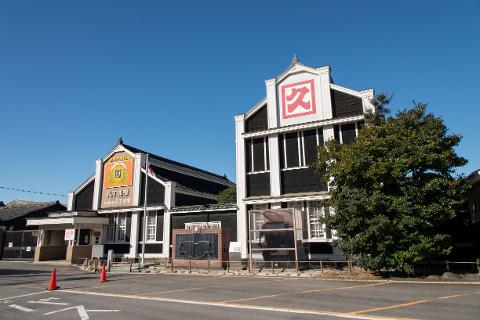
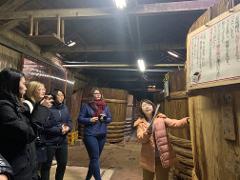
Step inside a living piece of history. The miso warehouse at Miso Park has been standing for over 100 years. The wooden barrels inside aren't decorations — they're actively used to make miso today, just as they were a century ago.
Taste three types of miso, side by side. Most people have only ever tasted one kind. Here, you compare three distinct varieties. Different ingredients, different fermentation lengths, different flavor profiles. It's a genuine education in flavor.
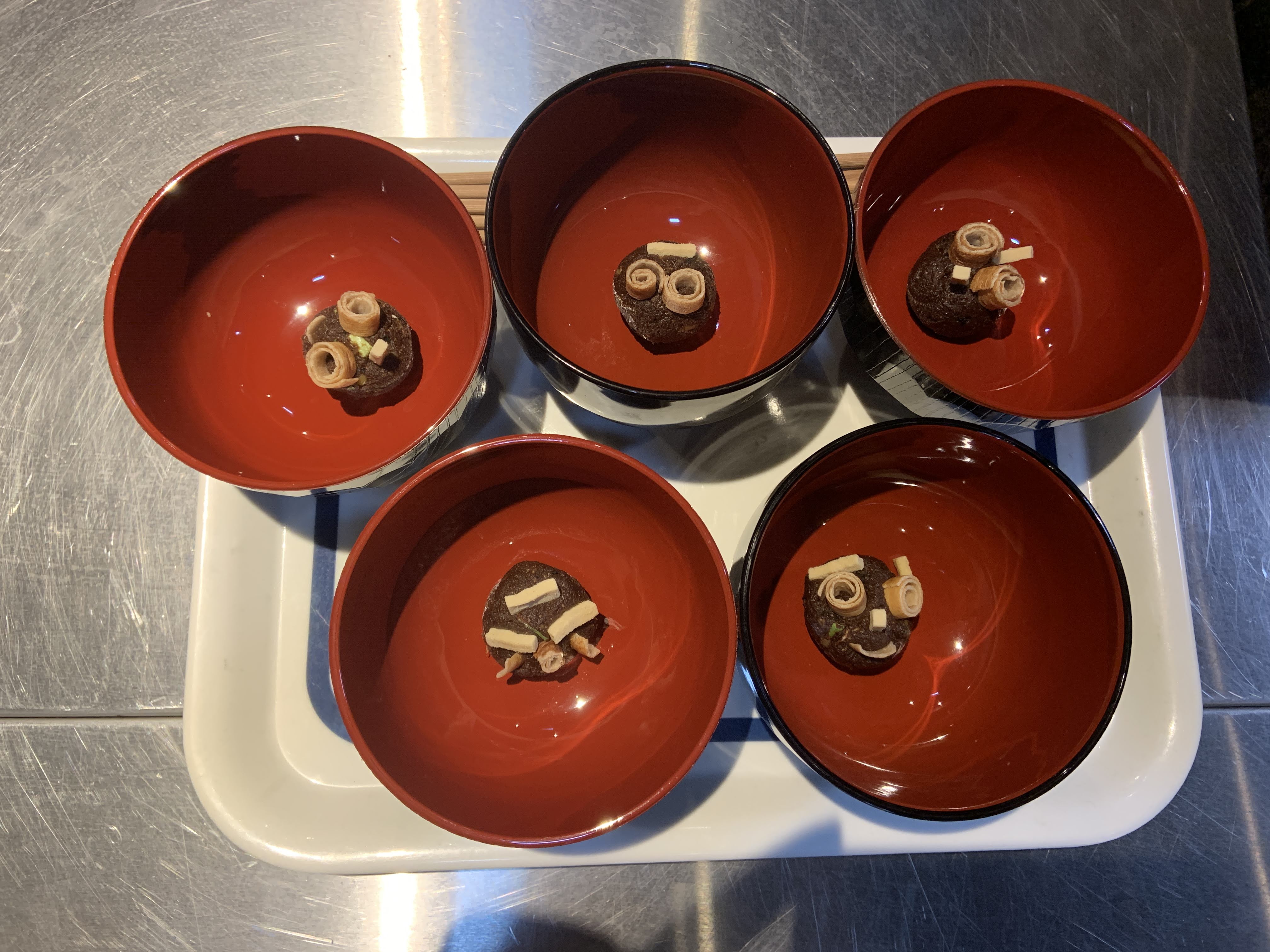
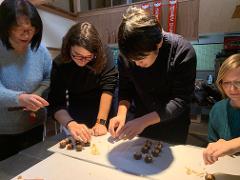
Make your own instant miso soup. You don't just watch. You roll up your sleeves and do it yourself. Using fresh soybean miso pulled directly from the warehouse, you learn how to prepare instant miso soup the right way — the way it's been done here for generations.
Eat like a local. The session wraps up with rice balls made from Nishio's own local rice, served alongside special pickles and miso soup. Simple food. Really good food.
Learn from someone who actually knows. Your guide is a local from Nishio, fluent in English, and genuinely passionate about sharing this culture. That makes a difference.
Tour Schedule — What Happens, When
Arrival — Meet at Miso Park's Stand
Find your group at the Miso Park stand. It's clearly marked and easy to locate. The tour begins on time, so aim to arrive a few minutes early.
① Video Introduction (approx. 15 minutes)
You start in a comfortable viewing area with a short introductory film. It covers the basics of miso production — how soybeans become paste, how fermentation works, and why Nishio's style stands apart. It's engaging, not long, and gives you the context you need before heading into the warehouse.
② Miso Warehouse Tour (approx. 20 minutes)
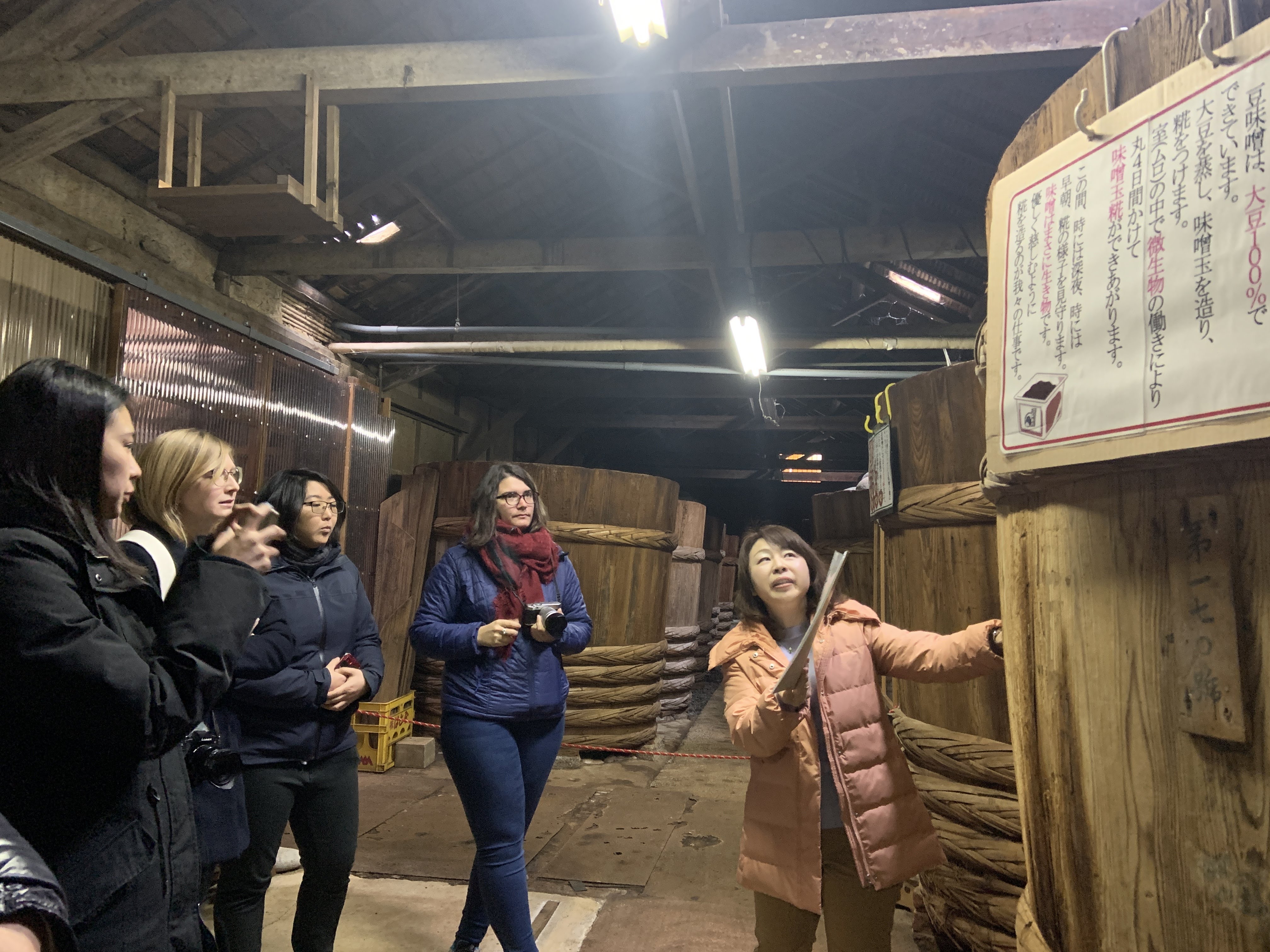
This is where things get real. You walk into a century-old warehouse filled with massive wooden fermentation barrels. Your guide explains what's happening inside each one. The smell hits you immediately — deep, earthy, alive. If you're sensitive to strong odors, bring a mask. Otherwise, take it in. It smells like history.
③ Miso Tasting + Instant Miso Soup Making (approx. 55 minutes)
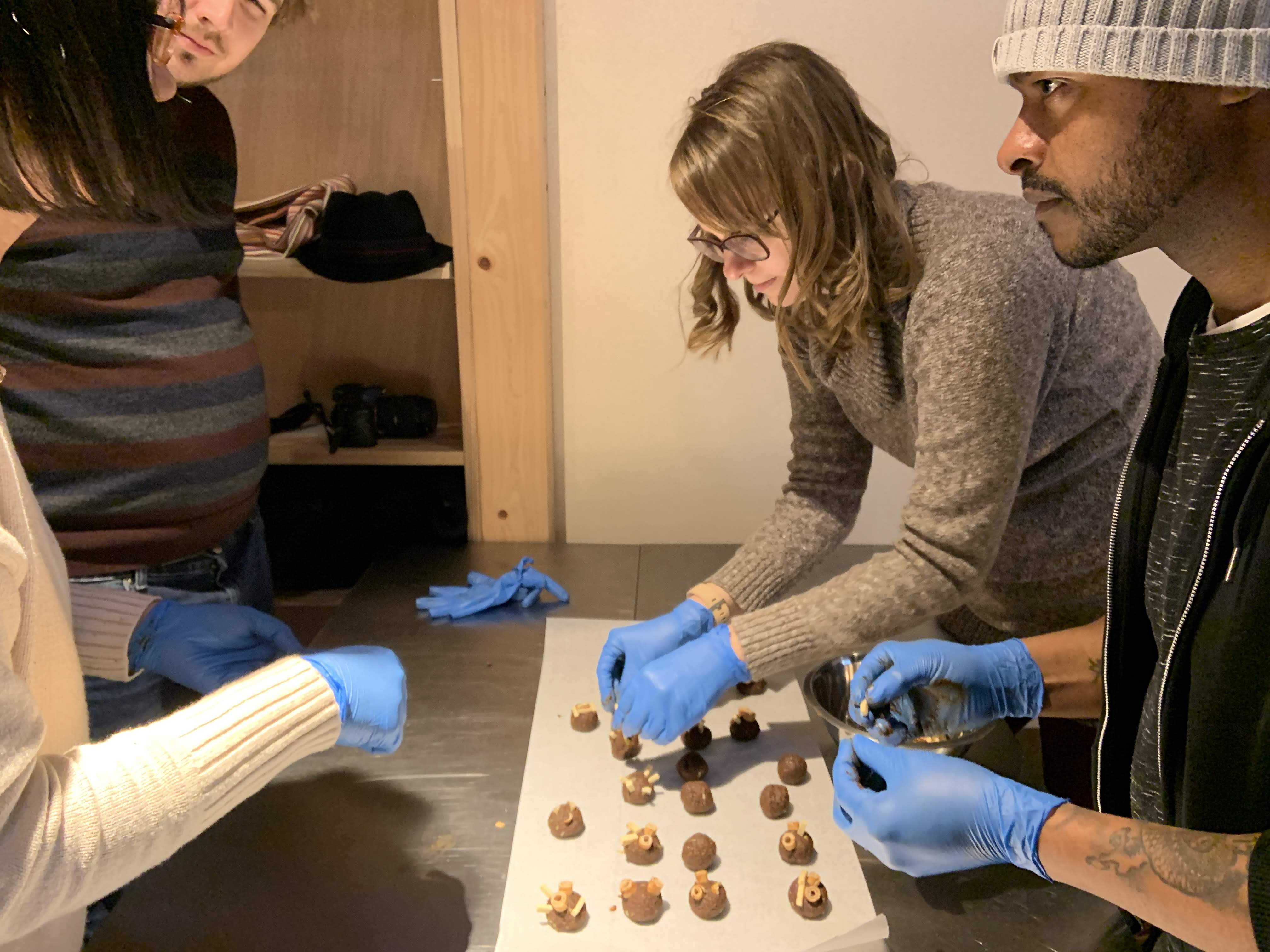
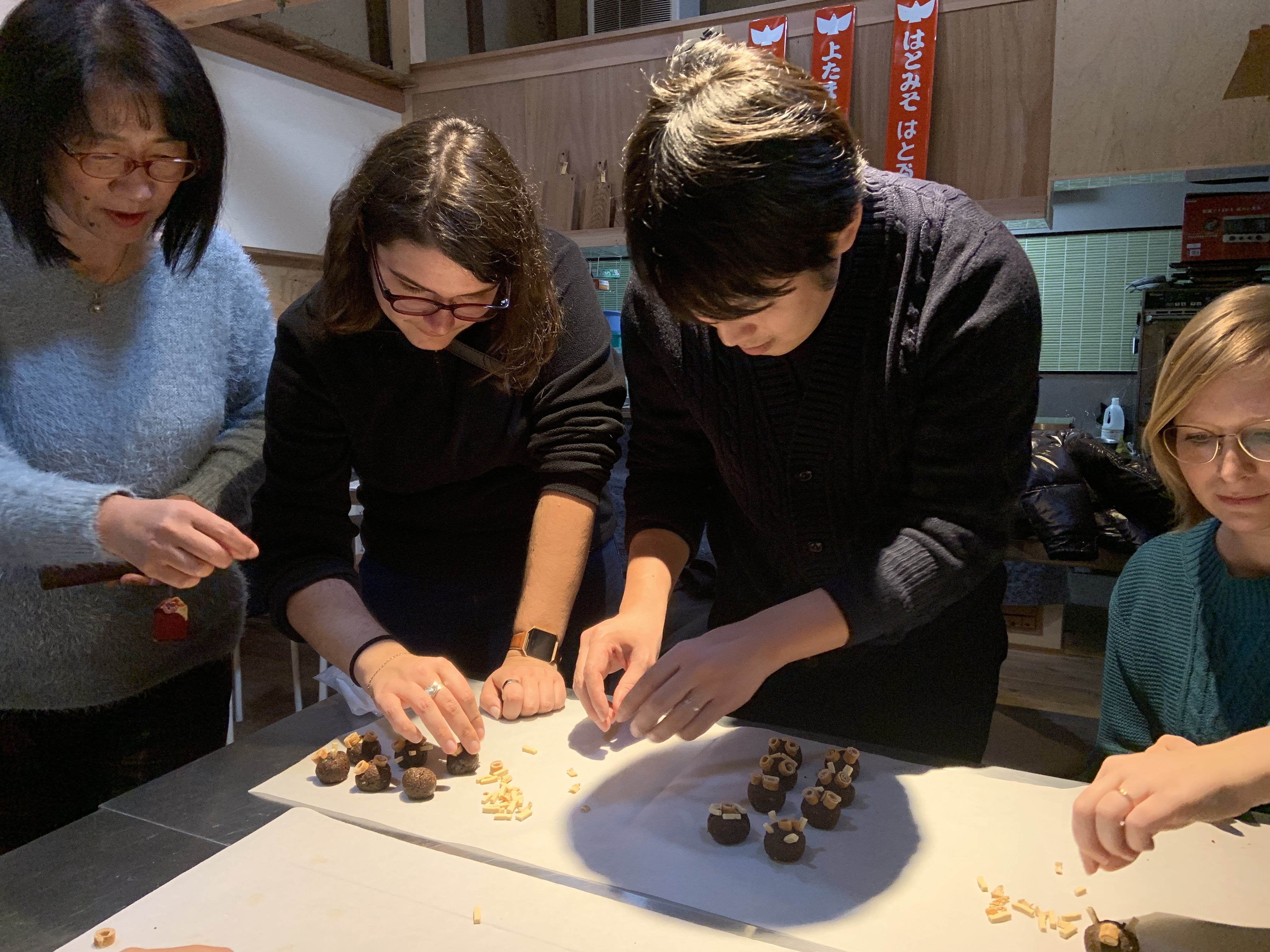
This is the heart of the experience, and it's broken into two connected parts. First, the tasting. Three types of miso, presented one by one. Your guide walks you through each one — how it's made, how long it ferments, what makes it different. You taste them. You compare. You'll be surprised how much variety exists within a single ingredient. Then, the making. Using soybean miso fresh from the warehouse, you learn to prepare instant miso soup. Your guide takes you through each step — portioning, mixing, balancing. By the end, you have a bowl you made yourself. It tastes better than anything from a packet.
④ Free Time (approx. 30 minutes)
After the hands-on session, the rest of the time is yours. Explore Miso Park at your own pace. Browse the shop. Sit with your rice balls — made from local Nishio rice and served with special pickles — and just enjoy the moment.
Closing
The tour wraps up here. You leave with new knowledge, a full stomach, and a skill you can actually use at home.
What's Included / What's Not
Included:
- Miso warehouse tour
- Instant miso soup making experience
- Tasting of 3 different types of miso
- English-speaking local guide
Excluded:
- Pickup and drop-off service
- Souvenirs
- Light meal (rice balls, pickles, and miso soup — available separately on-site)
How to Get There
From Nagoya Station:
Take the Meitetsu Line toward Kirayoshida and get off at Nishio Station. Miso Park is a 10-minute walk from the station.
From Shin-Osaka (JR):
Take the Tokaido Shinkansen toward Tokyo. Get off at Nagoya Station, then transfer to the Meitetsu Line as above.
From Tokyo Station (JR):
Take the Tokaido Shinkansen toward Hakata. Get off at Nagoya Station, then transfer to the Meitetsu Line as above.
Strong smell in the warehouse. Miso fermentation has a bold, distinctive odor. Most people find it fascinating. But if you're sensitive to strong smells, bring a mask — just to be comfortable.
Vegetarian options available. The team prepares a vegetarian-friendly miso soup on request. Just contact them in advance when you book.
Arrive on time. If you're more than 15 minutes late and haven't contacted the organizer, your reservation will be automatically cancelled. It's a small group experience — punctuality matters.
Children are welcome. The minimum age is 7 years. It's a hands-on, sensory experience that many kids genuinely enjoy.
What exactly is soybean miso, and how is it different from white miso?
Soybean miso (mamemiso) is made almost entirely from soybeans. It ferments for a longer period than white miso (shiromiso), which gives it a much deeper, richer, and more complex flavor. The color is dark reddish-brown rather than pale. It's less sweet, more savory, and far more intense. Many people try it here for the first time.
Do I need any cooking experience to join?
None at all. The guide walks you through every step. If you can stir and follow simple directions, you're perfectly qualified.
Is the experience suitable for kids?
Yes. Children aged 7 and above are welcome. The activities — tasting, mixing, rolling rice balls — are tactile and fun. Most kids find it engaging rather than boring.
Can I buy miso to take home?
Miso Park has a shop where you can browse and purchase products. Shopping time falls during the free period at the end of the tour.
What language is the tour in?
The default is Japanese. But the guide is English-speaking, so English-language participants are fully supported throughout.
Is there parking near Miso Park?
The organizer's materials don't specify a parking arrangement. If you're driving, it's worth contacting Miso Park directly before your visit to confirm.
What should I wear?
Comfortable, casual clothing works fine. You'll be in a warehouse and a kitchen studio — nothing demanding. Closed-toe shoes are a sensible choice.
Can I still join if I don't eat soy products?
Miso is made from soybeans, so soy is central to the entire experience. If you have a soy allergy, this tour may not be a good fit. Contact the organizer if you're unsure.
The Samurai Connection — A Quick History
Here's something worth knowing before you go.
During Japan's feudal period, samurai warriors relied on miso as a battlefield staple. It was lightweight, shelf-stable, and packed with nutrition. Soldiers mixed it with hot water for a quick, sustaining meal between fights. In some accounts, generals were said to have judged a domain's military readiness partly by the quality of its miso supply.
That might sound like a stretch. But consider this: miso soup is still on the breakfast table of most Japanese households today. The tradition never stopped. It just moved from the battlefield to the kitchen.
When you make your soup during this tour, you're not just following a recipe. You're following a very long line of people who did the same thing — for the same reasons. Nourishment. Simplicity. Craft.
Two hours doesn't sound like much. But this tour packs a lot into that time.
You see a warehouse that has outlived great-grandparents. You taste flavors most visitors to Japan never encounter. You make something with your own hands, from an ingredient with centuries of story behind it. And you eat well while doing it.
Nishio isn't on every tourist itinerary. That's part of what makes it worth visiting. The miso here is the real thing — not packaged for export, not simplified for mass appeal. Just fermented soybeans, wooden barrels, and people who know what they're doing.
Come hungry. Leave knowing something new. And maybe, just maybe, make miso soup at home and think about samurais.